
Brent crude fell for a fourth day as Iran-Qatar talks raised the prospect of reopening the Strait of Hormuz, easing supply disruptions.
Brent crude fell for a fourth day as Iran-Qatar talks raised the prospect of reopening the Strait of Hormuz, easing supply disruptions.
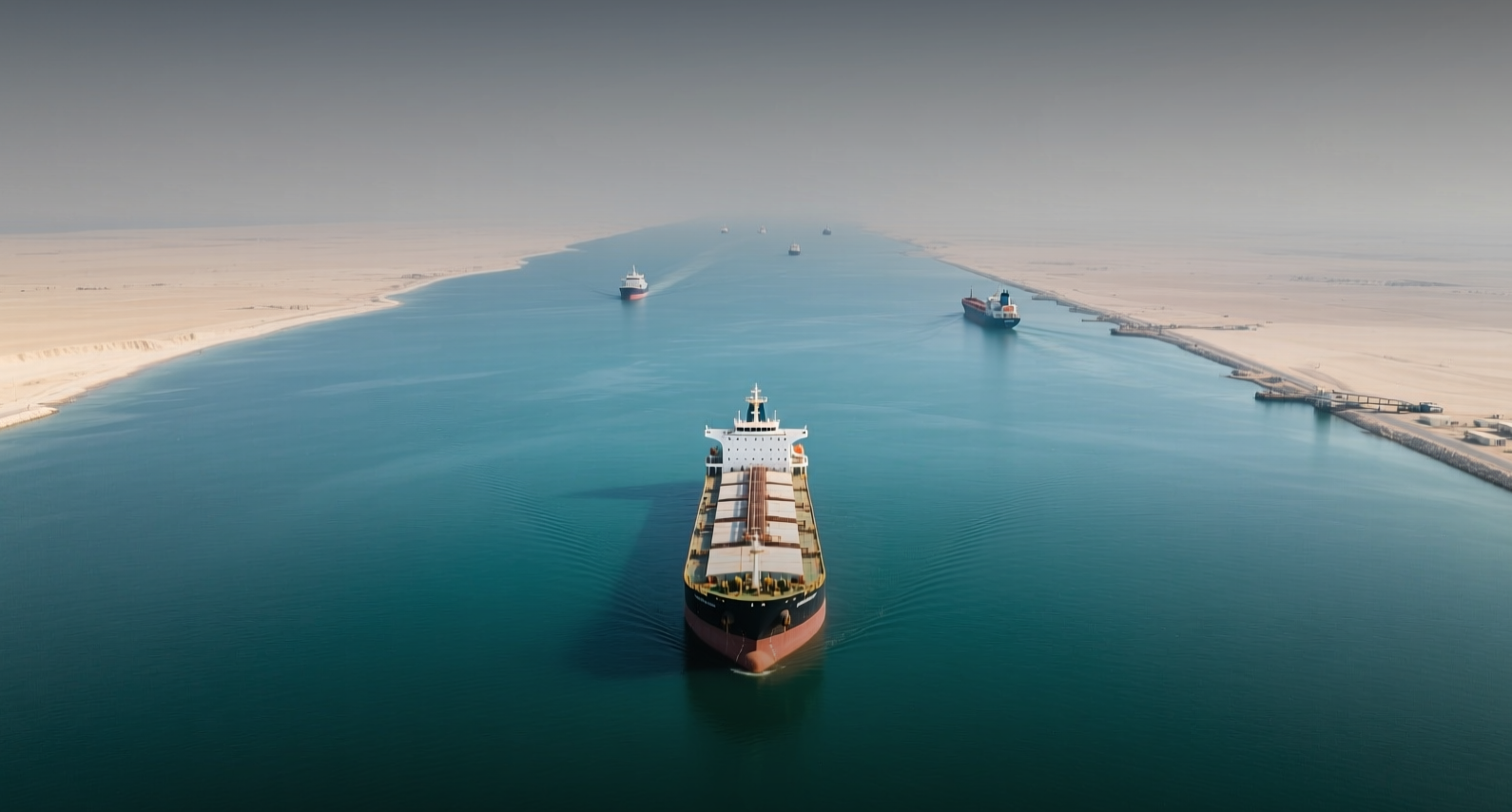
Brent crude fell 0.5 percent to $87.43 a barrel Thursday, extending a fourth day of losses, as Iran-Qatar talks raised expectations the Strait of Hormuz could reopen and ease supply disruptions.
"Qatar's prime minister will discuss freedom of navigation in the Strait of Hormuz and the need to return to the status quo before February 28," said Esmaeil Baghaei, spokesperson for Iran's foreign ministry, confirming Sheikh Mohammed bin Abdulrahman al-Thani's visit to Tehran on Thursday.
WTI crude fell 0.5 percent to $81.86, in line for a fifth day of losses. The declines follow Iran's Revolutionary Guards announcing that Tehran and Oman had concluded month-long negotiations over territorial shares and revenue-sharing for transit through the strait. IRGC spokesperson Hossein Mohebbi said both nations agreed to the terms, though he added the maritime corridor will not reopen until Washington accepts the bilateral deal.
The diplomatic push comes as commercial transit through the strait remains severely constrained. A tanker was hit by an unknown projectile in the waterway early Thursday, causing a fire that was later extinguished, according to the United Kingdom Maritime Trade Operations. Iran's Fars news agency reported that a large Iranian warship confronted an Indian oil tanker attempting to pass through the southern route known as the "Oman corridor."
Supply chains adapt to the blockade
Gulf exporters have already begun rerouting around the strait. Two supertankers carrying 4 million barrels of Saudi crude are bound for China after loading via ship-to-ship transfers off Oman, according to shipping data. Saudi Aramco has pivoted to selling crude loaded outside the volatile waterway to bypass regional transit disruptions.
The supply adjustments have been costly. Qatar's LNG exports fell 96 percent in the six months since the war began, with an estimated $24 billion in lost gas sales, according to Reuters. Japan, which sourced 93 percent of its crude imports through the strait in 2025, is planning measures to reduce its reliance on the waterway.
Conditions for reopening remain unresolved
Iran has insisted the strait will not reopen until the US ends its blockade on Iranian ports, removes sanctions, and provides compensation under the interim ceasefire agreement struck in June. Washington, meanwhile, launched "Operation Economic Outcast" on Monday, targeting nearly 60 Iran-linked entities, individuals, and vessels in what Treasury Secretary Scott Bessent described as "economic asphyxiation."
President Donald Trump claimed Wednesday that the strait is "very functioning" and that "a lot of oil is pouring out," citing 10 million barrels shipped the previous day. International shipping data shows tanker traffic remains well below pre-war levels.
The market's relief rally could prove fragile. IMF Managing Director Kristalina Georgieva warned that "the energy shock is not over," noting that reserves are shrinking and the northern hemisphere winter is approaching. Another rise in oil prices could push inflation higher, keep interest rates elevated, and weigh on economic activity.
US inflation remains elevated at 3.7 percent year-over-year on the PCE index, well above the Federal Reserve's 2 percent target. A sustained reopening of the strait would ease the most acute supply constraint in global energy markets, but the gap between diplomatic progress and Iran's stated conditions leaves significant room for renewed price spikes.
This article is for informational purposes only and does not constitute investment advice.
