


A quarterly index reshuffle effective Sept. 21 brings Bloom Energy, Everpure and Illumina into the S&P 500, unleashing benchmark-driven buying that pushed Bloom Energy up 8 percent while the Trade Desk, demoted to the SmallCap 600, fell 2 percent.
A quarterly index reshuffle effective Sept. 21 brings Bloom Energy, Everpure and Illumina into the S&P 500, unleashing benchmark-driven buying that pushed Bloom Energy up 8 percent while the Trade Desk, demoted to the SmallCap 600, fell 2 percent.
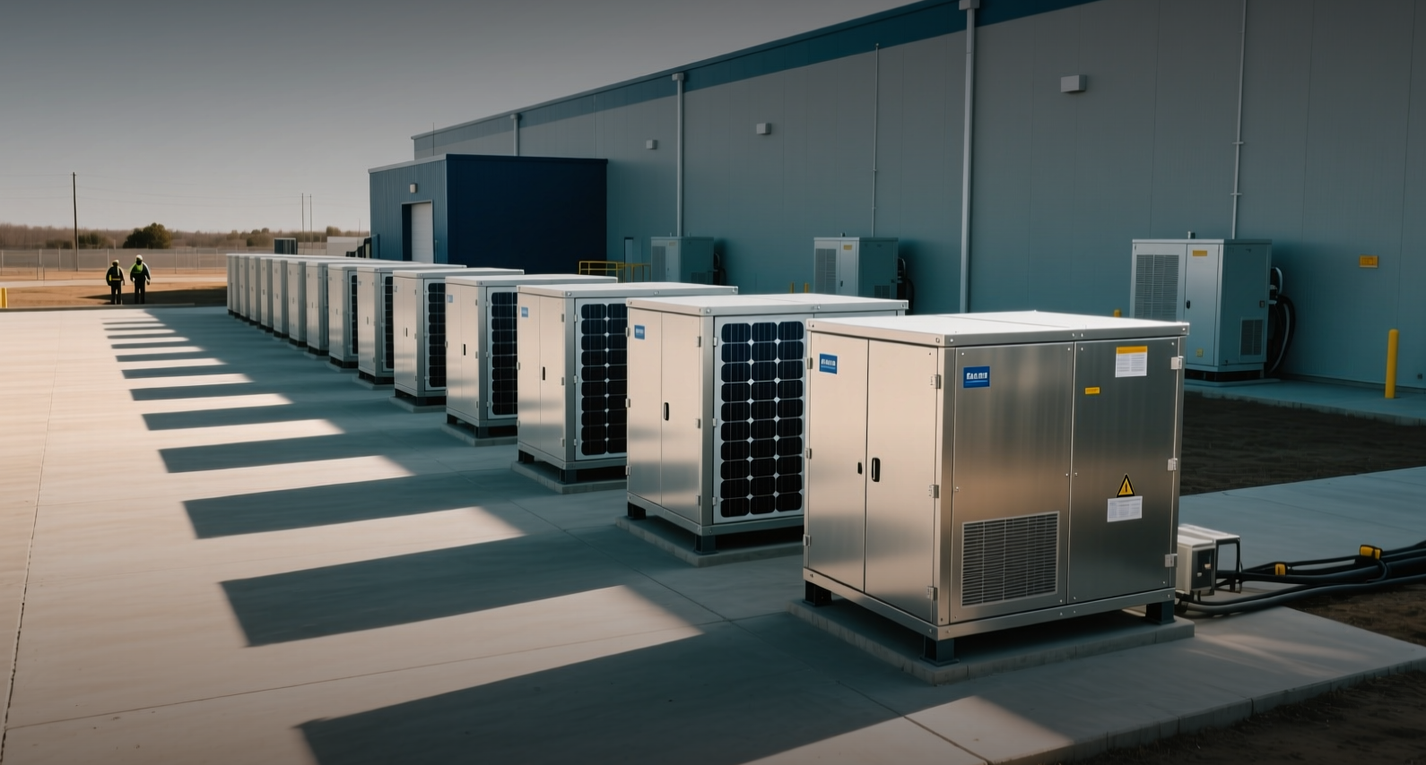
S&P Dow Jones Indices will add Bloom Energy, Everpure and Illumina to the S&P 500 before the open on Sept. 21, a quarterly rebalance that hands the three stocks a wave of forced buying from the roughly $8 trillion of assets benchmarked to the index. Bloom Energy shares jumped 8 percent to $274.18 in Tuesday trading after the announcement, which came after Friday's close, while the SPDR S&P 500 ETF Trust slipped 0.45 percent.
"Index additions have historically resulted in a meaningful increase in passive ownership as index funds purchase shares of newly included companies," Manav Gupta, an analyst at UBS, said in a note that raised his price target on Bloom Energy to $325 from $300 with a Buy rating.
The rebalance removes Molson Coors Beverage, The Trade Desk and Builders FirstSource, which drop to the S&P SmallCap 600, bypassing the MidCap tier entirely. The Trade Desk, whose shares fell 2 percent to $14.13, is down 63 percent year to date after second-quarter revenue grew just 3 percent from a year earlier and missed estimates. The advertising platform also guided third-quarter revenue to at least $650 million and plans to cut 15 percent of its workforce.
The mechanical flows are the mirror image of the fundamentals that earned each addition its place. Bloom Energy, the first energy company added to the index since 2022, reported record second-quarter revenue of $1.07 billion, up 165.5 percent from a year earlier, as hyperscalers and neocloud operators adopted its solid-oxide fuel cells for AI data centers. Chief Executive K.R. Sridhar said "over a dozen US neoclouds, AI labs and colocation data center operators have validated and approved our power solutions," and the company raised its full-year revenue outlook to $3.9 billion to $4.2 billion, roughly double 2025 revenue at the midpoint.
The inclusion lands on top of an already extended run — Bloom Energy is up 210 percent year to date — and the buying is arriving for reasons unrelated to why the stock tripled. Passive rebalances typically cluster into the closing auction the trading day before the effective date and the open of the addition itself, when index-tracking demand peaks. UBS's Gupta framed the inclusion as a significant positive catalyst layered on top of Bloom Energy's AI data-center power story, where grid connections can take four to seven years while its factory-fabricated systems install on-site in three to four months.
The flow arithmetic cuts both ways across the rebalance. Large-cap trackers must sell the three departing names while small-cap funds absorb only a fraction of that supply, compounding the Trade Desk's slide. For the additions, the buying pressure is transient — a stock bought aggressively before the effective date often gives back part of the move once the passive demand clears the auction — so investors separating the flow event from the fundamentals face a stock trading near 94 times projected earnings even as analysts forecast EPS growth of 84 percent in 2027 and 60 percent in 2028.
This article is for informational purposes only and does not constitute investment advice.
