


Explosions at Iran's Assaluyeh gas hub mark the latest strike on Persian Gulf energy infrastructure, deepening a risk premium already pushing Brent above $91.
Explosions at Iran's Assaluyeh gas hub mark the latest strike on Persian Gulf energy infrastructure, deepening a risk premium already pushing Brent above $91.
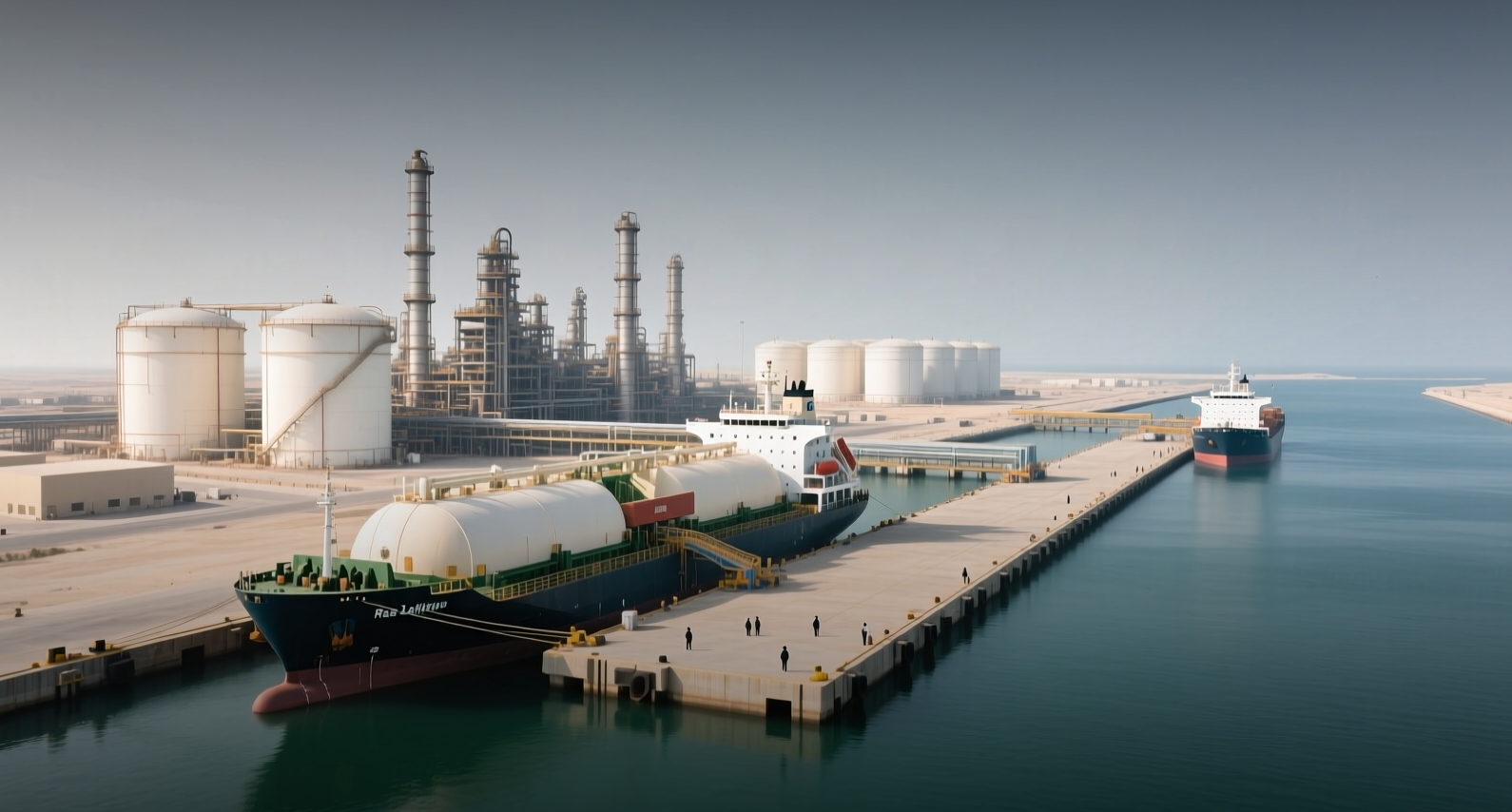
Explosions at Iran's Assaluyeh gas hub mark the latest strike on Persian Gulf energy infrastructure, deepening a risk premium already pushing Brent above $91.
Explosions rocked Iran's Assaluyeh gas hub on the Persian Gulf coast, the latest escalation in a conflict that has lifted Brent crude 22 percent since February and pushed European gas to its highest since March.
"Overall we expect US companies' share of gas supplies from the region to fall by around 40 percent this year compared to last year," said Rahul Choudhary, vice president of upstream research at Rystad Energy. "The share of oil supplies is set to drop by 30-35 percent."
The benchmark Dutch front-month gas contract rose 1.3 percent to €71.30 per megawatt-hour, extending a near-5 percent gain in the prior session, while UK NBP contracts climbed 6.4 percent to 175.40 pence per therm. Brent held above $91 a barrel. European storage sits about 62 percent full, roughly 17 percentage points below the five-year seasonal average.
The blasts come as the Strait of Hormuz — through which one-fifth of the world's oil and natural gas transited before the war — remains largely closed to commercial traffic. Any extended disruption would tighten LNG availability for European and Asian buyers heading into the winter heating season.
Iran and Iran-backed groups have carried out at least 172 attacks on nonmilitary infrastructure across the six Gulf Cooperation Council states since the war began on February 28, according to the Armed Conflict Location and Event Data project. Oil and gas facilities, power plants and desalination plants account for nearly half of all strikes on nonmilitary targets, with the UAE, Kuwait and Bahrain absorbing the highest number of successful hits.
Qatar LNG Bears the Brunt
Qatar's Ras Laffan Industrial City, the world's largest LNG export hub hosting joint ventures with ExxonMobil and ConocoPhillips, has come under repeated attack, at one point forcing the plant to halt production entirely. Damage to LNG trains 4 and 6 at Rasgas knocked out roughly 13 million tonnes of capacity that will take three to five years to restore at a repair cost of about $3 billion, Choudhary said. ExxonMobil's share of LNG supply from Qatar is expected to fall to about four million tonnes this year from 13 million tonnes last year, while ConocoPhillips volumes drop to one million tonnes from 2.5 million tonnes.
US Majors Weigh Wartime Gains Against Exposure
The conflict has delivered windfalls even as it threatens assets. Chevron reported its highest quarterly profit in six years of $12 billion in adjusted earnings on July 31, with the Gulf accounting for just 5 percent of its global output. ExxonMobil, by contrast, saw upstream earnings fall about $1.3 billion in the first half versus a year earlier on lower Middle East volumes, with Qatar and the UAE together representing 20 percent of its global equity upstream supply. A drone strike on July 27 hit Saudi Aramco's Abqaiq processing complex, which handles more than seven million barrels per day.
The last time European gas traded above €70 was in March, when Iran first closed the Strait of Hormuz and Qatar's Ras Laffan halted production. If the conflict persists, higher prices support cash flows but prolonged disruption risks delaying major projects — ExxonMobil's $10 billion Upper Zakum and Qatar LNG expansions could slip, while ConocoPhillips remains exposed through its planned 42-percent stake in BP's Kirkuk operations in Iraq.
This article is for informational purposes only and does not constitute investment advice.
