


Apple's iPhone is gaining market share in China while rivals raise prices, setting up a challenge to Nvidia's $5 trillion market cap crown.
Apple's iPhone is gaining market share in China while rivals raise prices, setting up a challenge to Nvidia's $5 trillion market cap crown.
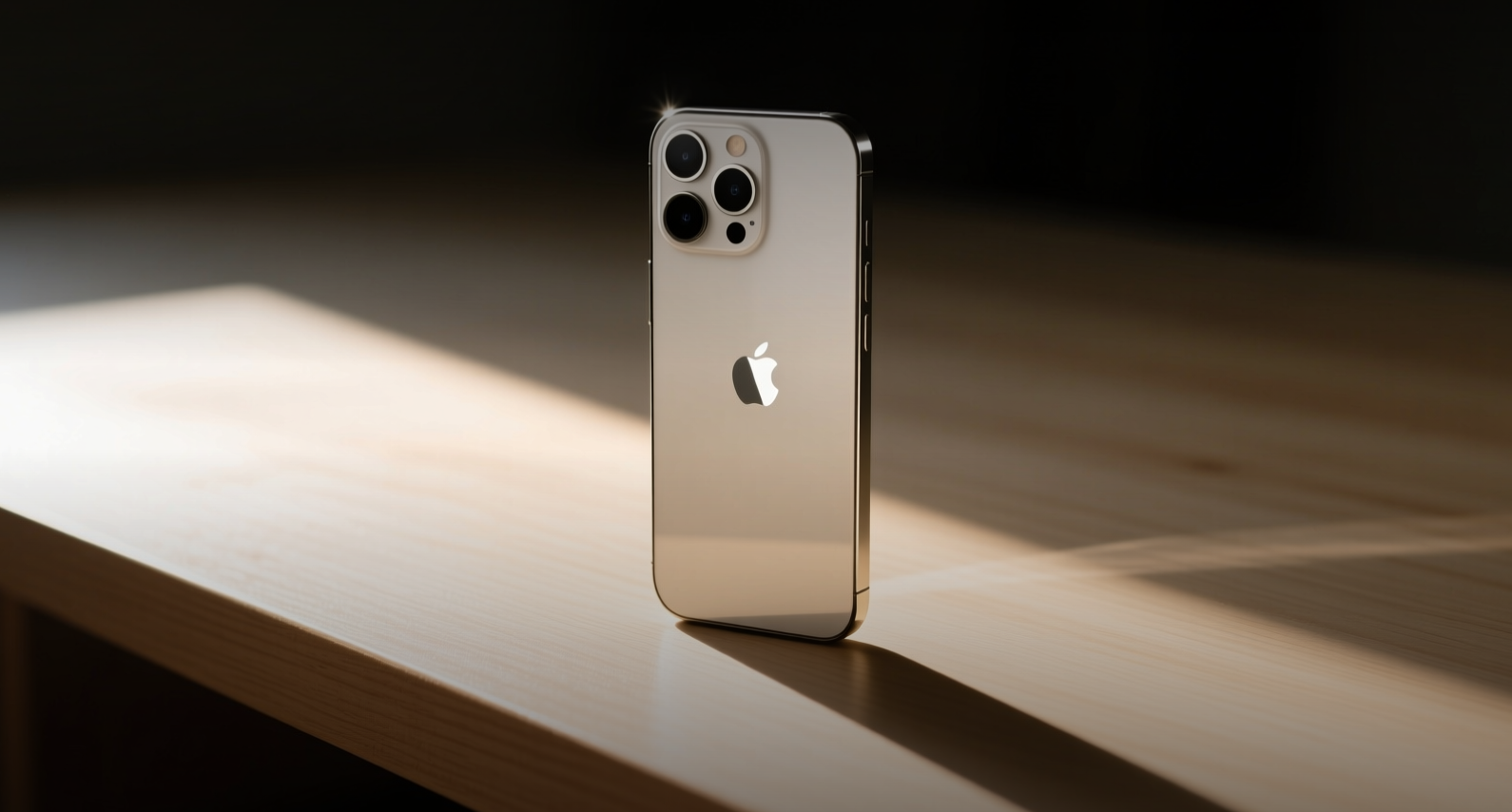
Apple has gained 20% so far in 2026, doubling the S&P 500's 10% rise, as the iPhone maker stages a comeback from a lackluster 2025 weighed down by tariff concerns and persistent inflation. The company's market capitalization now sits at roughly $4.2 trillion, trailing only Nvidia's $5.1 trillion valuation — a gap that may close faster than many expect as Apple's core business regains momentum.
"Rising memory and component costs pushed most Android vendors to raise prices, which cooled upgrade demand," IDC Global said in a report on China's smartphone market. Apple was one of only two vendors to post growth in the quarter.
The dynamics are playing out most sharply in China, which accounts for about 18% of Apple's sales. Chinese smartphone shipments fell 4.3% year over year in the most recent quarter, marking the fifth consecutive period of decline, according to IDC. Yet Apple's iPhone sales in the country jumped 24% year over year, the highest growth rate among all vendors in China. The company has absorbed higher input costs rather than passing them to consumers, stealing share from Android rivals such as Xiaomi and Oppo that were forced to raise prices as soaring demand for DRAM and NAND flash memory chips pushed component costs higher.
Apple has a long history with the market cap crown. In August 2018, it became the first publicly traded U.S. company to reach $1 trillion. It added $2 trillion in August 2020 and $3 trillion in January 2022. The AI revolution shifted the crown to Nvidia, which became the first to reach $4 trillion in July 2025 and $5 trillion in October 2025. Now, Apple's iPhone momentum and expanding services business are setting up a potential reversal.
Apple Intelligence Approval Opens New Revenue Path
Chinese regulators this week approved Apple Intelligence for deployment on iPhones in the country, ending a two-year licensing process. Apple partnered with Alibaba and Baidu to meet China's requirement that foreign companies collaborate with local partners on AI services. The approval could accelerate iPhone upgrades among China's base of existing users, many of whom delayed purchases pending the feature's availability.
The company's strategy of maintaining iPhone prices despite rising component costs has expanded its installed base. That larger user pool feeds Apple's services business, which carries higher margins than hardware sales and creates stickiness for accessories and other Apple products. Services revenue now represents a growing share of Apple's total revenue, providing a more predictable income stream that supports the company's valuation premium. iPhone users are also more likely to adopt other Apple products, including the Apple Watch, AirPods, and Mac, creating a cycle of ecosystem lock-in that competitors have struggled to replicate.
Why Apple's Valuation Could Close the Gap
Nvidia's $5.1 trillion market cap reflects investor expectations for continued AI infrastructure spending. The chipmaker's data center revenue has grown at triple-digit rates for multiple quarters, but any sign of slowing AI adoption could pressure its valuation. Apple trades at roughly 30 times forward earnings, compared with Nvidia's 35 times — a discount that could narrow as Apple's earnings growth accelerates on the back of China market share gains and the Apple Intelligence upgrade cycle.
For investors, the key question is whether Apple can sustain its China momentum. The country has historically accounted for about 18% of Apple's sales, and the company's ability to hold prices steady while competitors raise them has created a rare opportunity to gain share in the world's largest smartphone market. Combined with the Apple Intelligence approval, the conditions are in place for a multi-quarter upgrade cycle that could push Apple's market cap past Nvidia's.
Apple's path to reclaiming the market cap crown depends on sustaining its China momentum and converting Apple Intelligence approvals into a measurable upgrade cycle. With the S&P 500 up 10% this year and Apple doubling that return, the market is already pricing in a recovery. The full re-rating may only come once iPhone sales data confirms the trend is durable.
This article is for informational purposes only and does not constitute investment advice.
