

Apple is preparing its most aggressive smart home push in years, with three new devices set to arrive over the next six months.
Apple is preparing its most aggressive smart home push in years, with three new devices set to arrive over the next six months.
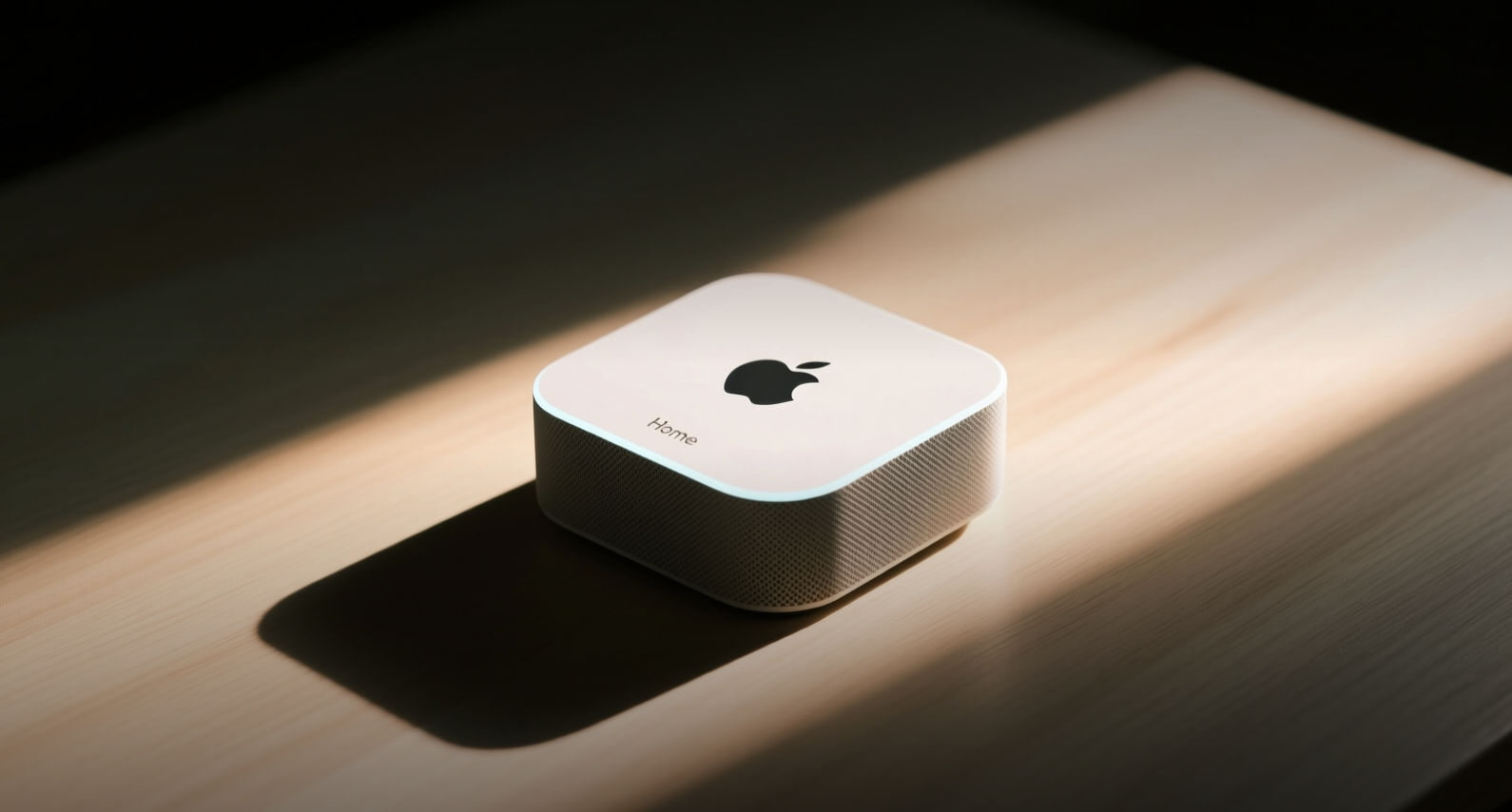
Apple plans to release three new home devices by early 2027, including a redesigned Apple TV and HomePod Mini this fall and a new Home Hub, marking its most aggressive push into the smart home market. The Home Hub, arriving between October and early 2027, would be Apple's first dedicated smart home control device.
The move targets Amazon and Google, which dominate the smart home market with their Echo and Nest product lines. Apple's HomePod lineup has captured a smaller share of the smart speaker segment since its 2018 debut, according to industry data. Amazon's Echo devices hold roughly 70% of the US smart speaker market, while Google's Nest products account for about 20%, leaving Apple and others fighting for the remainder.
The new Apple TV and HomePod Mini are expected to ship this fall, with the Home Hub following between October and early 2027, according to the company's internal product roadmap. The Home Hub would enter a category Amazon pioneered with its Echo Show in 2017 and Google followed with the Nest Hub in 2018. Both products have sold tens of millions of units, establishing the smart display as a mainstream consumer electronics category.
The product refresh could boost Apple's Wearables, Home and Accessories segment, which generated $39.7 billion in fiscal 2025. A successful Home Hub would deepen Apple's services ecosystem by creating a new hardware gateway for Apple Music, Apple TV+, and HomeKit-connected devices. Apple's services revenue reached $85 billion in fiscal 2025, and each new hardware device creates another subscription touchpoint.
The Home Hub is expected to feature a screen-based interface for controlling smart home devices, displaying photos, and running Apple's native apps. It would integrate with Siri and HomeKit, offering a more controlled but potentially more secure alternative to its rivals. Unlike Amazon's Alexa-powered devices, which have faced privacy scrutiny, Apple is likely to emphasize on-device processing and data protection — a strategy it has used successfully with the iPhone and AirPods.
For investors, the key metric is attach rate — how many of Apple's existing device owners buy into the smart home ecosystem. The company's installed base of more than 2 billion active devices provides a large addressable market. Each percentage point of that base adopting a Home Hub at an estimated $250 price point would represent billions in potential revenue. Even a 3% attach rate over two years would generate more than $15 billion in cumulative revenue.
The new Apple TV and HomePod Mini refreshes, meanwhile, are expected to include faster processors and improved audio, maintaining Apple's position in the premium streaming and smart speaker segments. The Apple TV competes with Roku, Amazon Fire TV, and Google Chromecast, while the HomePod Mini goes up against Amazon's Echo Dot and Google's Nest Audio. Both categories have seen slowing growth as the streaming and smart speaker markets mature.
Apple's broader product roadmap includes additional hardware launches across categories. The company is preparing a MacBook Ultra with OLED touchscreen and 5G connectivity for early 2027, and smart glasses for mid-2027, according to Bloomberg's Mark Gurman. These launches, combined with the smart home push, represent one of the most aggressive product refresh cycles in Apple's recent history.
The smart home strategy carries direct implications for Apple's services revenue. Each new hardware device creates another touchpoint for Apple's subscription offerings. The Home Hub, in particular, could drive adoption of Apple's HomeKit platform and iCloud+ storage plans, while the new Apple TV strengthens the Apple TV+ distribution channel. For a company where services now account for more than 25% of total revenue, every hardware sale is also a services sale.
This article is for informational purposes only and does not constitute investment advice.
