

Key Takeaways: Apple's new Houston manufacturing hub anchors a $600 billion US production commitment as Tim Cook hands the CEO role to John Ternus on Sept. 1.
Key Takeaways: Apple's new Houston manufacturing hub anchors a $600 billion US production commitment as Tim Cook hands the CEO role to John Ternus on Sept. 1.
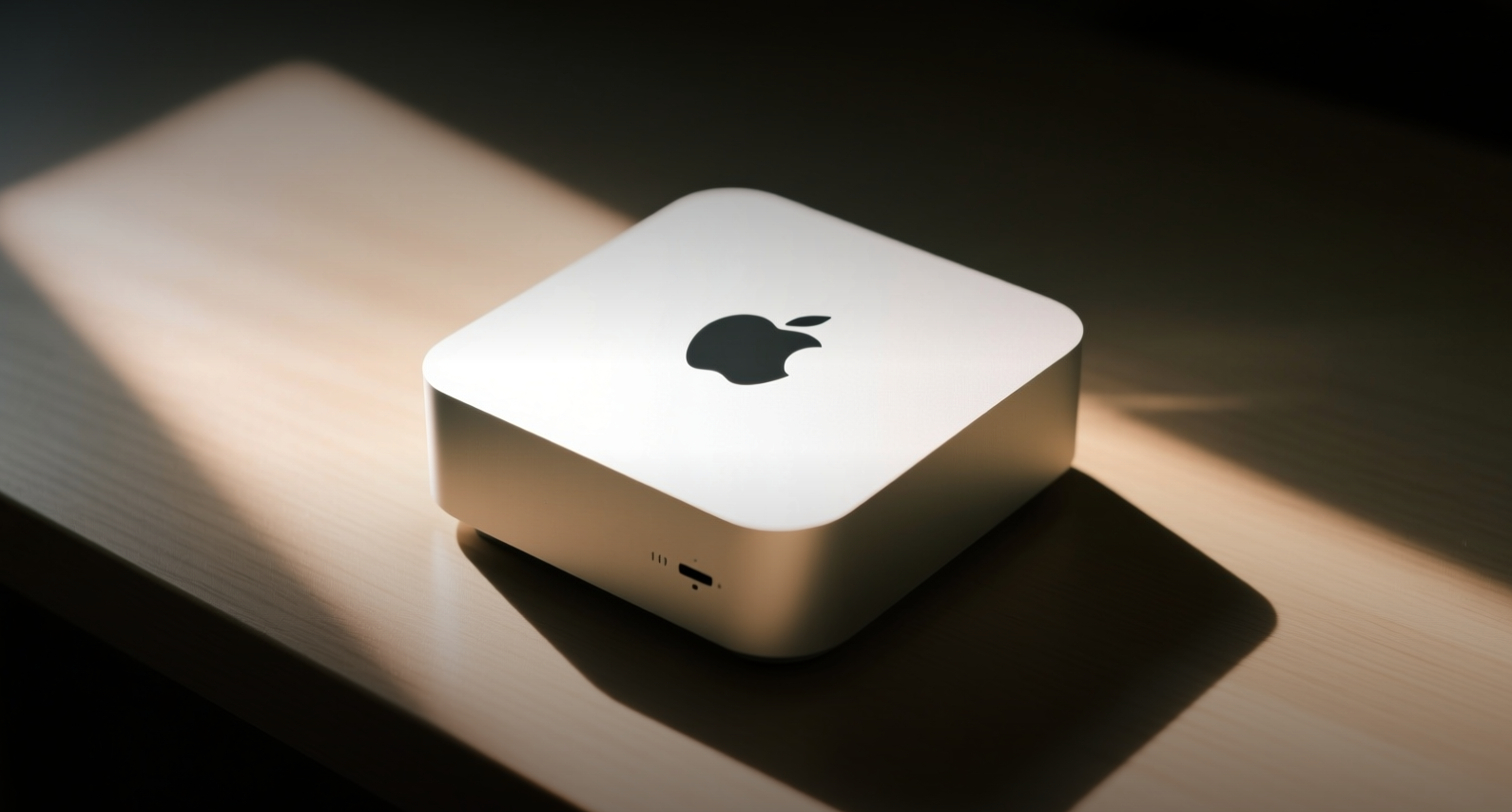
Apple opened a Houston manufacturing facility that will produce Mac Mini desktops and assemble AI servers, part of a $600 billion US manufacturing commitment, as Tim Cook prepares to hand the CEO role to John Ternus on Sept. 1.
"We stood up a factory, started production, and shipped the first advanced AI servers off the line," Cook said at the ribbon-cutting alongside Commerce Secretary Howard Lutnick. "We believe in American workers and American ingenuity."
The facility, built in less than nine months with hundreds of millions of dollars in investment, will begin Mac Mini production later this year. Apple sourced more than 20 billion chips from US suppliers last year, including 100 million from TSMC's Arizona plant. The Houston site also offers free training classes covering topics such as machine learning for quality control.
The opening comes as Apple diversifies production away from China and as Ternus, a veteran hardware executive, prepares to lead the company through its next product cycle, including a foldable iPhone expected at the September event. Cook will remain as executive chairman, assisting with policymaker engagement.
Mac Mini's AI Second Life
The Mac Mini has found renewed demand among AI enthusiasts. The device sold out in some stores this spring after OpenClaw, a free open-source program, gained popularity among developers running AI agents on Apple's smallest and least expensive desktop. Lutnick said Cook told him the Mac Mini can run advanced AI models, calling the machines "amazing."
The Houston facility's dual role — consumer hardware and AI infrastructure — reflects Apple's broader strategy of building in-house AI compute while expanding US manufacturing. Apple previously assembled Mac Pro units in Austin, Texas, and announced server production for Apple Intelligence outside Houston last year. The Mac Mini's US assembly marks a shift for a product line that has historically been manufactured in Asia alongside the iPhone and iPad.
Leadership Transition and Product Pipeline
Ternus, who has led Apple's hardware engineering since 2021, takes over as CEO on Sept. 1. He has already begun reshaping the leadership team, recalling Laura Legros, a former vice president of hardware engineering who retired in 2022, to coordinate product delivery across engineering teams. The hire marks a rare instance of Apple recalling a retired executive and reflects Ternus putting his stamp on the leadership ranks before the transition.
The transition coincides with Apple's biggest product cycle in years. The September event is expected to feature the iPhone 18 Pro lineup and Apple's first foldable iPhone, alongside the new Mac Mini production ramp. Apple also recently launched Apple Upgrade, a device-leasing program that replaced the prior iPhone Upgrade Program and standard financing options.
Apple shares have faced pressure from analysts concerned about product cycle execution. Jefferies downgraded the stock to Underperform after Apple canceled plans for a twentieth-anniversary all-glass iPhone. The Houston facility and US manufacturing expansion could help offset tariff exposure as the Trump administration pushes for more domestic production.
Apple's US manufacturing footprint now spans Texas, Arizona, and Michigan, with the company committing $600 billion through its American Manufacturing Program. The program includes orders, purchase commitments, and expanded production capacity with semiconductor partners. For investors, the Houston facility represents a tangible step toward reducing Apple's reliance on Chinese manufacturing, though the company has never indicated it would produce iPhones in the US.
This article is for informational purposes only and does not constitute investment advice.
