


Both tech giants now show Lake America to US users following Trump's renaming order, while 50 percent tariffs on $20 billion of Canadian goods escalate the bilateral trade conflict.
Both tech giants now show Lake America to US users following Trump's renaming order, while 50 percent tariffs on $20 billion of Canadian goods escalate the bilateral trade conflict.
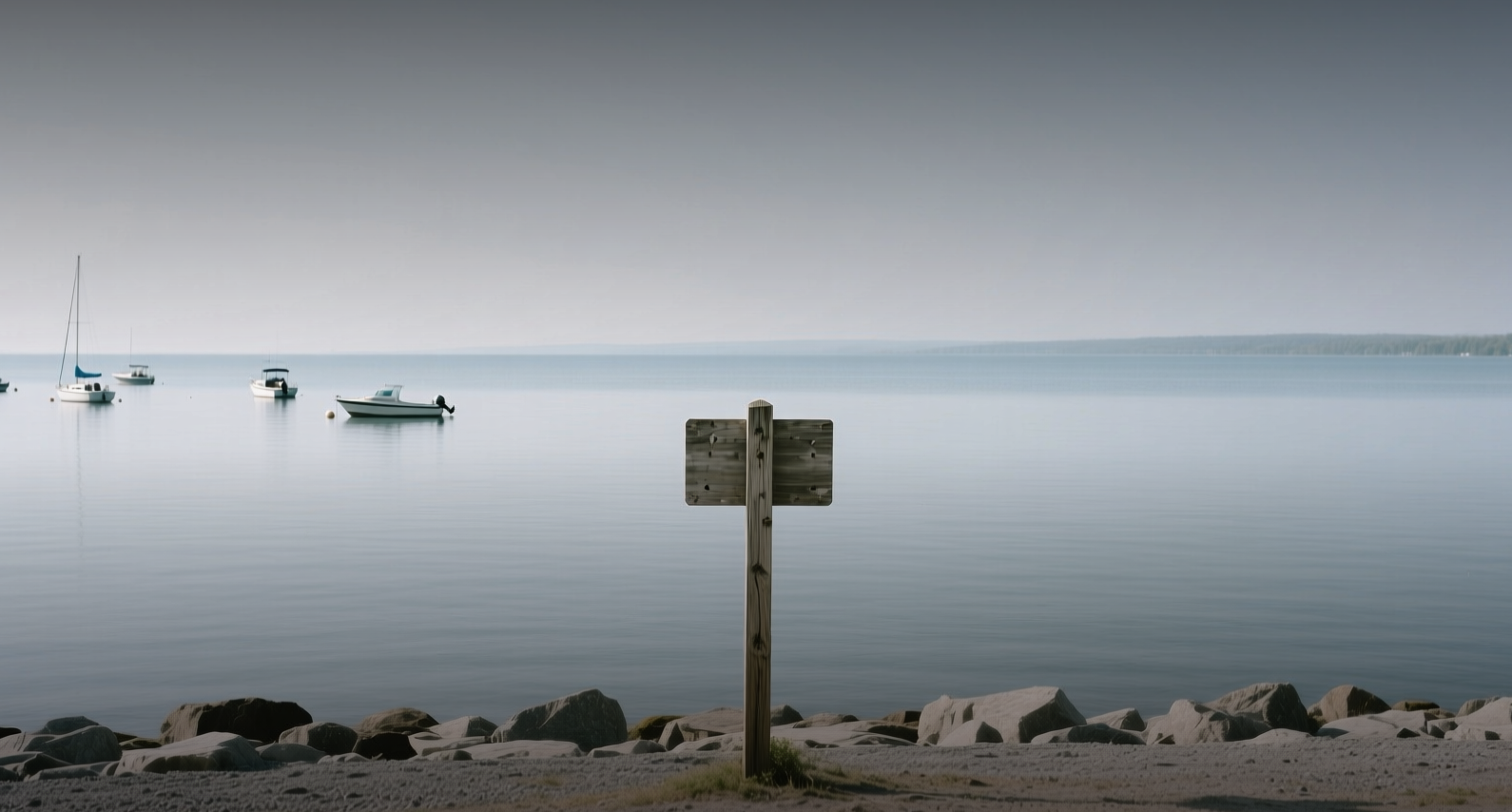
Apple and Google now display Lake Ontario as "Lake America" for US users, three days after President Trump's executive order, as a 50 percent tariff on $20 billion of Canadian goods deepens the bilateral trade rupture.
"Canadian women and men also know that things must be called by their name, and this lake is called Lake Ontario — today and forever," Prime Minister Mark Carney wrote on X, rejecting Washington's unilateral renaming of a waterbody jointly governed under the 1909 Boundary Waters Treaty.
Google rolled out the new label Aug. 29, citing the US Geographic Names Information System, which formally changed the name after Trump's Aug. 27 order. Apple followed Sept. 1, making "Lake America" searchable for US users while keeping "Lake Ontario" above the Canadian border. Users outside both countries see both names. MapQuest has refused to comply, posting "We're not changing it."
The renaming is the latest escalation in a trade war that has already imposed 50 percent tariffs on roughly $20 billion of Canadian goods since Aug. 22, with Canada announcing dollar-for-dollar retaliation on US milk, steel, and plywood effective Sept. 8. Trump has threatened further levies, though the next phase won't take effect until Jan. 1, leaving a window for negotiations that US Trade Representative Jamieson Greer says are not currently active.
The executive order gives Interior Secretary Doug Burgum and the Board on Geographic Names 30 days to update the Geographic Names Information System and remove all references to Lake Ontario from federal maps, contracts, and documents. Burgum told Fox's "Mornings with Maria" that Trump "reached out to Apple directly" to ensure the new name appeared on its platform. The US Geological Survey has already designated the new name in all official electronic documents.
Canada is the United States' second-largest trading partner after Mexico, accounting for 12.6 percent of total US trade, according to US Census data. The trade talks collapsed Aug. 21 after disagreements over implementation details and last-minute US demands. Carney suspended negotiations, saying the US side introduced terms that were "unfair, uneconomic, and undermined the reliability of any agreement."
Commerce Secretary Howard Lutnick said Canada raised tariff relief for medium- and heavy-duty trucks — including Ford F-series pickups and General Motors Silverados manufactured in Ontario — only at the last minute, an allegation Canada's chief US trade negotiator disputed. Republican Senator Susan Collins of Maine urged the administration to return to negotiations after Canada removed seafood and fish products from its retaliatory tariff list.
The lake renaming follows Trump's January 2024 order renaming the Gulf of Mexico as the Gulf of America, which Google and Apple also adopted for US users. The leader of the Seneca Nation in upstate New York said the latest move violates a treaty more than 225 years old and shows "blatant disrespect" for the Indigenous people who gave Lake Ontario its name. The name derives from the Wendat word "Ontari'io," meaning "the lake is beautiful, the lake is big," Carney noted.
Ontario Premier Doug Ford called the decision "something out of 'Saturday Night Live'" and unveiled a sign on the Canadian side reading "Lake Ontario — Now and Always." Nova Scotia Premier Tim Houston offered a shorter response: "We're into some real foolishness now. It's Lake Ontario, buddy."
Trump, who signed the order in the Oval Office in front of maps of the Great Lakes, said the renaming reflected that the deepest parts of the lake's waters and most of its volume lie within US territory. He also posted AI-generated videos, including one of animated ducks with his hairstyle defending "Lake America" and another of himself replacing a "Welcome to Lake Ontario" sign while dancing to "Y.M.C.A."
The next phase of tariffs is scheduled for Jan. 1, giving both governments roughly four months to reach an agreement. If talks remain stalled, the dispute could extend beyond the lake's name into broader economic territory, affecting cross-border supply chains in autos, steel, and agriculture that have defined North American trade for decades.
This article is for informational purposes only and does not constitute investment advice.
