

Apple's stock has surged 15% in three weeks, adding $600 billion in market value, as investors bet on its foldable iPhone and AI strategy to drive the next growth cycle.
Apple's stock has surged 15% in three weeks, adding $600 billion in market value, as investors bet on its foldable iPhone and AI strategy to drive the next growth cycle.
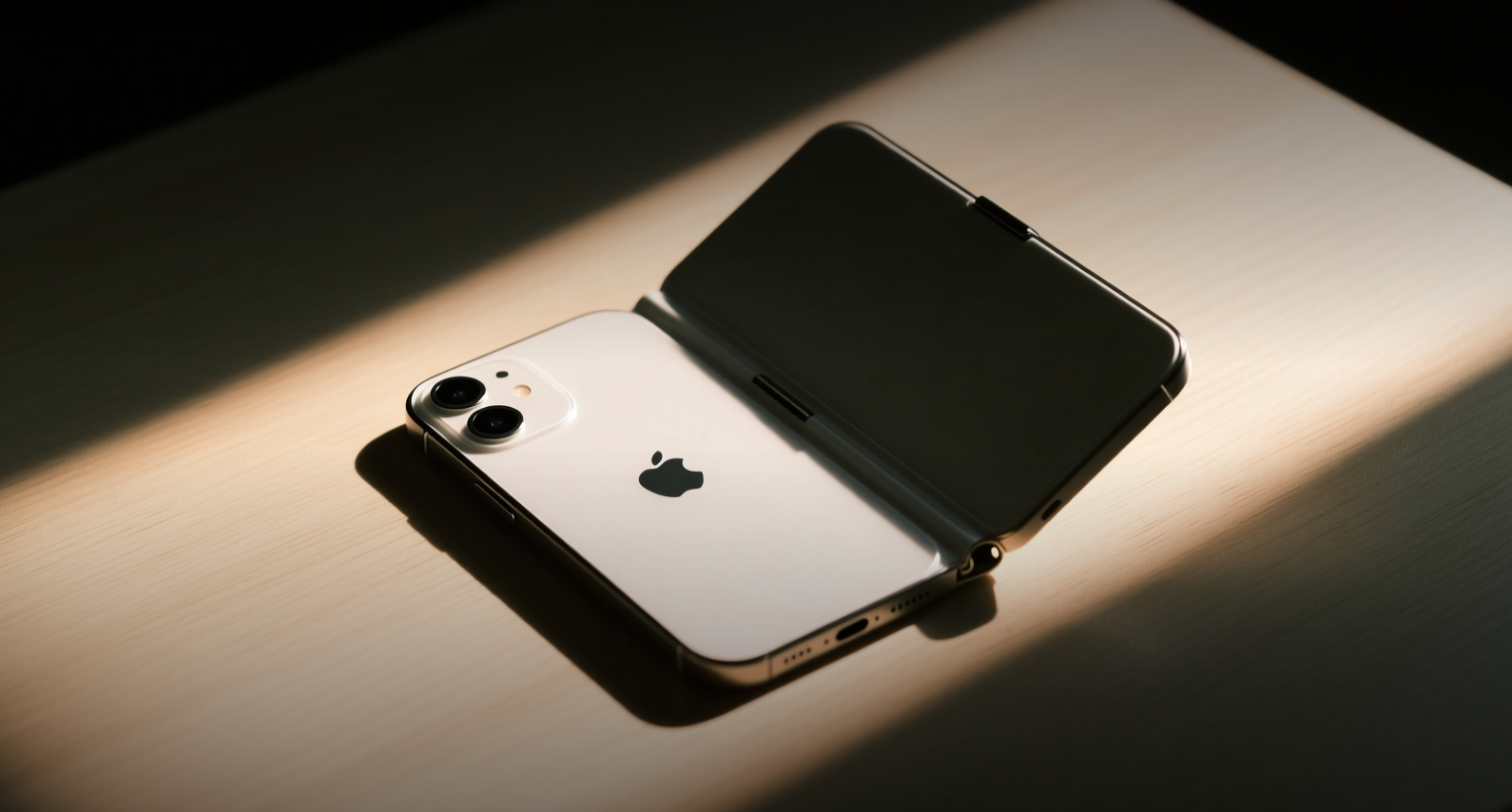
Apple's decision to sit out the AI data-center arms race is proving to be a strategic advantage, with the stock adding nearly $600 billion in market value since June 25 and returning to record highs ahead of the company's first foldable iPhone launch.
"Apple's decision to sit out the data center spending spree and instead pay Google for access to its frontier AI models is being increasingly seen by traders as an asset rather than a liability," Bloomberg reported.
The stock closed at $315.32 on Friday, just shy of its all-time high of $317.40 set in early June. Apple shares are up 16% in 2026, making it the best performer among the Magnificent Seven. The company's market capitalization stands at $4.6 trillion, with second-quarter revenue of $111.2 billion, up 17% year over year, and earnings per share of $2.01, up 22%.
The foldable iPhone, widely referred to as the iPhone Ultra and expected to retail for $2,300 to $2,500, would become the most expensive iPhone ever and mark Apple's entry into a market dominated by Samsung, Huawei and Honor — all of which have years of experience in the category.
Supply Chain Ramps Up
Manufacturing partner Foxconn has launched a large-scale recruitment campaign at its Longhua complex in China, hiring thousands of additional workers at hourly wages of $3.10 to $3.65 to staff production lines. The contracts run from July through October, matching the expected timeline for mass production preparations. The device's Ultra Thin Glass will be supplied exclusively by Chinese manufacturer Lens Technology.
Apple has told suppliers to prepare for around 10 million units this year, up from a prior forecast of seven million to eight million, according to Nikkei. The company is expected to unveil the device alongside the iPhone 18 Pro and iPhone 18 Pro Max during its September 2026 launch event, though commercial availability could slip into 2027.
AI Strategy as a Differentiator
Rather than building its own AI data centers, Apple is using Google's Gemini to underpin the revamped version of Siri and new Apple Intelligence features across its platforms. The approach has shielded Apple from the investor skepticism hitting chipmakers and cloud-computing companies that have poured billions into AI infrastructure without clear returns.
The strategy also helped Apple avoid the price increases that hit its Mac, iPad and Home device lines on June 25, when soaring memory chip costs forced the company to raise prices. That move triggered Apple's worst single-day stock drop since April 2025, with shares closing at $275.15 — a level from which the stock has since rallied 15%.
Foldable Market Rivals
Samsung, Huawei and Honor have collectively sold tens of millions of foldable devices over the past several years. Samsung's Galaxy Z Fold and Z Flip series have defined the category, while Huawei's Mate X series has gained traction in China. Apple's entry at a $2,300-to-$2,500 price point would position the iPhone Ultra as a premium-tier competitor, potentially expanding the foldable market beyond its current base of early adopters.
Apple shares trade at a market cap of $4.6 trillion, and the foldable iPhone launch could drive upgrade cycles, expand the company's paid subscription base in its high-margin services segment and boost revenue per user. With Chief Executive Officer Tim Cook stepping down on Sept. 1 and hardware engineering chief John Ternus taking over, the product launch will be an early test of Apple's leadership transition.
This article is for informational purposes only and does not constitute investment advice.
