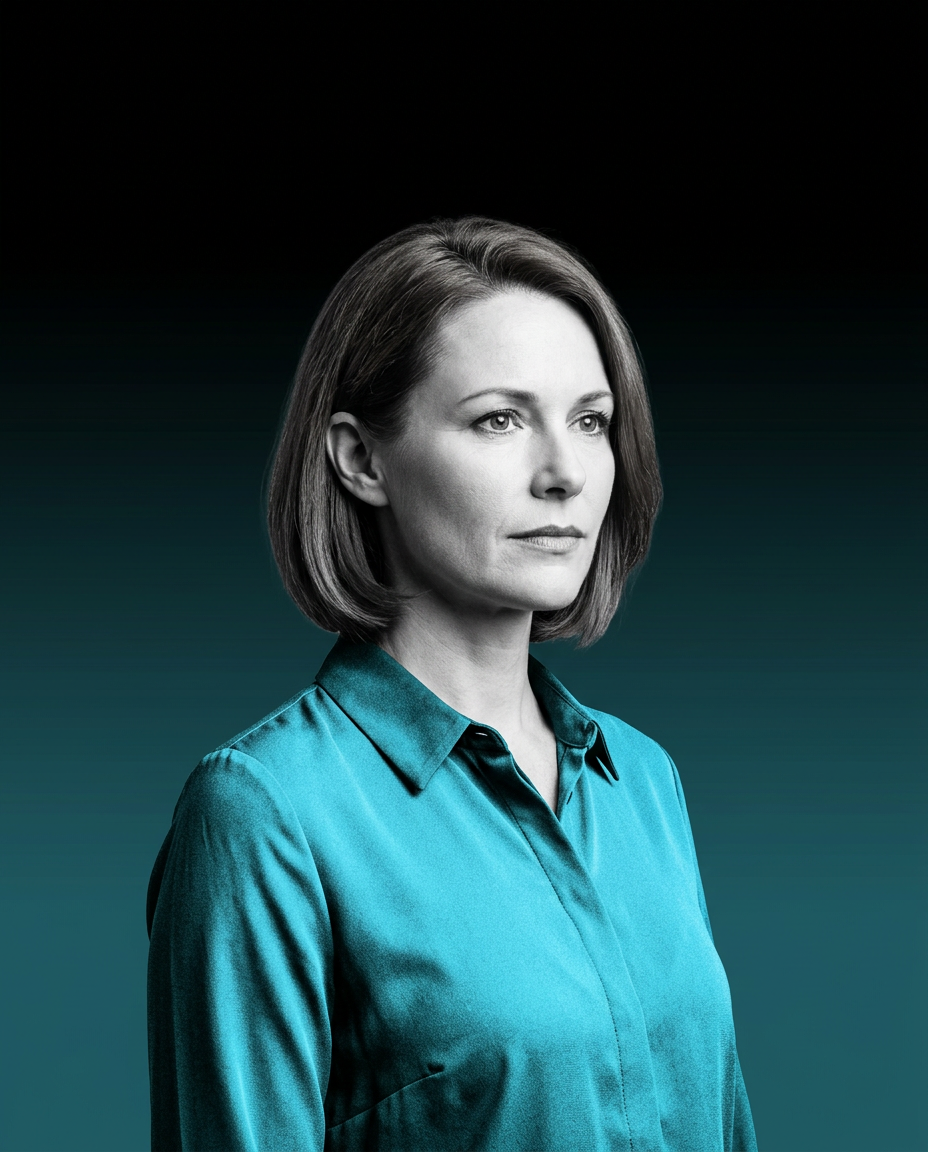
The AfD's 44 percent Saxony-Anhalt win leaves Siegmund three votes short of a majority, with the far-left BSW potentially breaking Germany's firewall for the first far-right state government since 1945.
The AfD's 44 percent Saxony-Anhalt win leaves Siegmund three votes short of a majority, with the far-left BSW potentially breaking Germany's firewall for the first far-right state government since 1945.
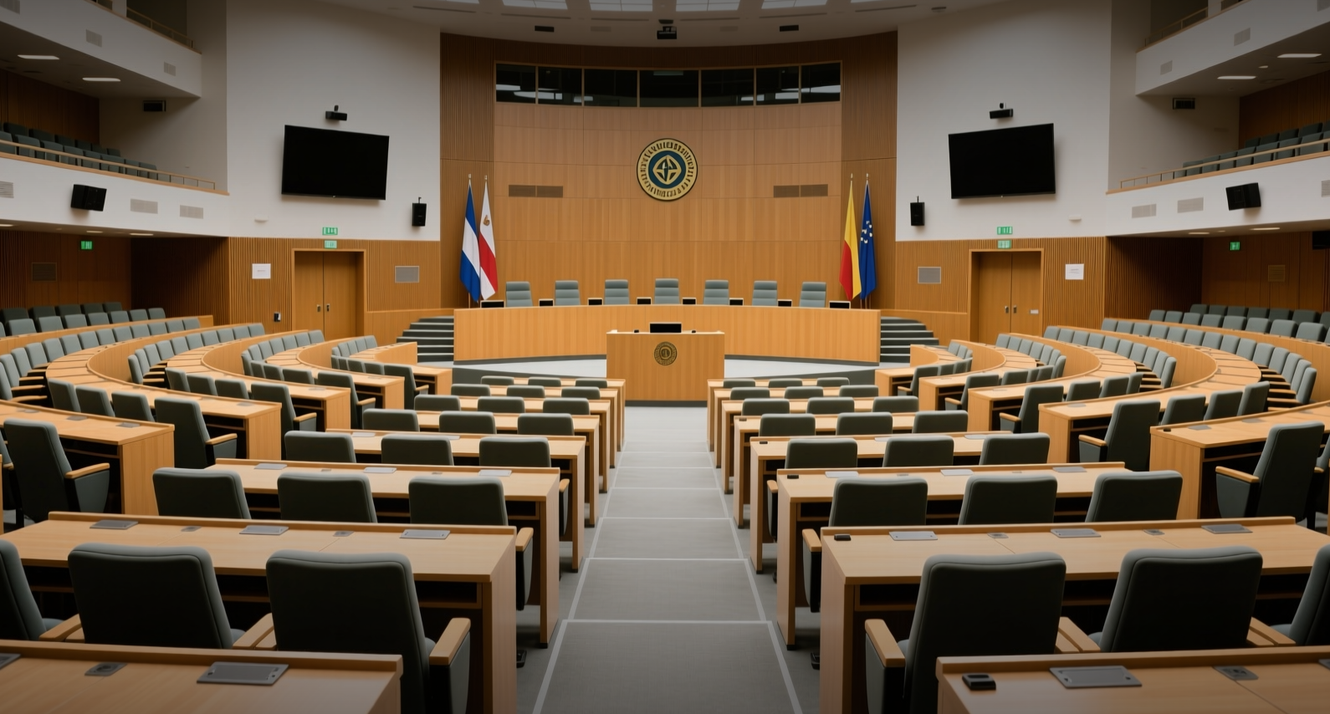
Germany's AfD won 44 percent in Saxony-Anhalt's state election Sunday, taking 39 of 83 seats and leaving candidate Ulrich Siegmund three votes short of forming the country's first far-right state government since 1945.
"We've made no secret from the beginning that we'll talk with all parties. The AfD is part of that," Thomas Schulze, the BSW party's lead candidate in Saxony-Anhalt, told Reuters. The mainstream parties' refusal to work with the AfD was "undemocratic," he said.
The CDU under Chancellor Friedrich Merz collapsed to 18.5 percent from 37.1 percent in 2021, losing half its support after leading the state for 24 years. The Left Party finished third at about 9 percent, with the SPD and Greens each near 8-9 percent. The BSW, founded in 2024 by Sahra Wagenknecht after breaking from Die Linke, cleared the 5 percent threshold needed to enter parliament.
If Siegmund secures the three additional votes — either by persuading BSW lawmakers or peeling off defectors from other parties — the AfD would control a state government for the first time in its 13-year history, giving it authority over education, cultural policy, police, and the regional branch of the Office for the Protection of the Constitution in a state of 2.1 million people.
A Far-Right Policy Laboratory
The AfD's program for Saxony-Anhalt ranks among the most ambitious far-right policy experiments in Europe this century. It calls for "remigration" — the forceful removal of nonnationals, including some naturalized citizens — separate classrooms for migrant children deemed to have low prospects of staying, and a reworked history curriculum that focuses less on the Nazi era and Holocaust and more on 19th-century history and the founding of the second Reich.
The party also wants to create a volunteer militia under municipal police authority, cut funding to museums and arts groups with "anti-German goals," and strip refugee status from all Ukrainians. EU migrants receiving benefits should leave, criminals with dual citizenship should lose their German nationality, and asylum seekers should be housed in a small number of centers away from urban areas, compelled to work.
"We won't bend and we will not water down our fundamental positions," Siegmund said. Proposals on immigration, security, energy policy and the economy were "nonnegotiable," he added.
Some proposals would face legal and constitutional obstacles. Germany's federal system gives states substantial powers over education and cultural policy, but most immigration enforcement requires federal backing. The party's marquee ideas — leaving the EU, abandoning the euro, canceling Russia sanctions, ending Ukraine support — sit beyond a state government's reach.
The Firewall Cracks
The BSW's willingness to engage with the AfD marks a potential rupture in the "firewall" that mainstream parties have maintained since the AfD's founding in 2013. The BSW already joined a coalition with Merz's CDU and the SPD in neighboring Thuringia in late 2024, though that arrangement has since fractured after a row over working with the CDU prompted local members to break away.
Wagenknecht herself has favored working with the AfD. "Hopefully, there are now majorities in the Magdeburg state parliament in favor of a change of course in energy policy, an end to sanctions against Russia, better education and a fundamental reform of public service broadcasting," she said in a statement.
Siegmund, however, dismissed the BSW on election night, calling it "not part of the solution but part of the problem." Schulze struck a more conciliatory tone: "The AfD won the election, Mr. Siegmund is the winner. It's his job to form a government."
The stakes extend beyond Saxony-Anhalt's 2.1 million residents. The AfD is polling first at the federal level, and a state government breakthrough would give the party a platform to showcase its governance model ahead of the 2029 federal election. Germany's domestic intelligence agency has classified the AfD as "extremist" in several states, and the party's potential control of the regional intelligence office would raise questions about the state's commitment to fighting far-right extremism.
Saxony-Anhalt already recorded the second-highest number of far-right motivated criminal acts per inhabitant last year, according to police statistics. In 2019, on Yom Kippur, a neo-Nazi gunman attempted to attack the synagogue in Halle, the state's largest city, killing two people.
Coalition negotiations could take weeks or months. If Siegmund fails to secure the additional votes, a CDU-led minority government under incumbent state premier Sven Schulze remains the most likely alternative, potentially relying on passive tolerance from the Left Party — a model used in Thuringia.
This article is for informational purposes only and does not constitute investment advice.
